
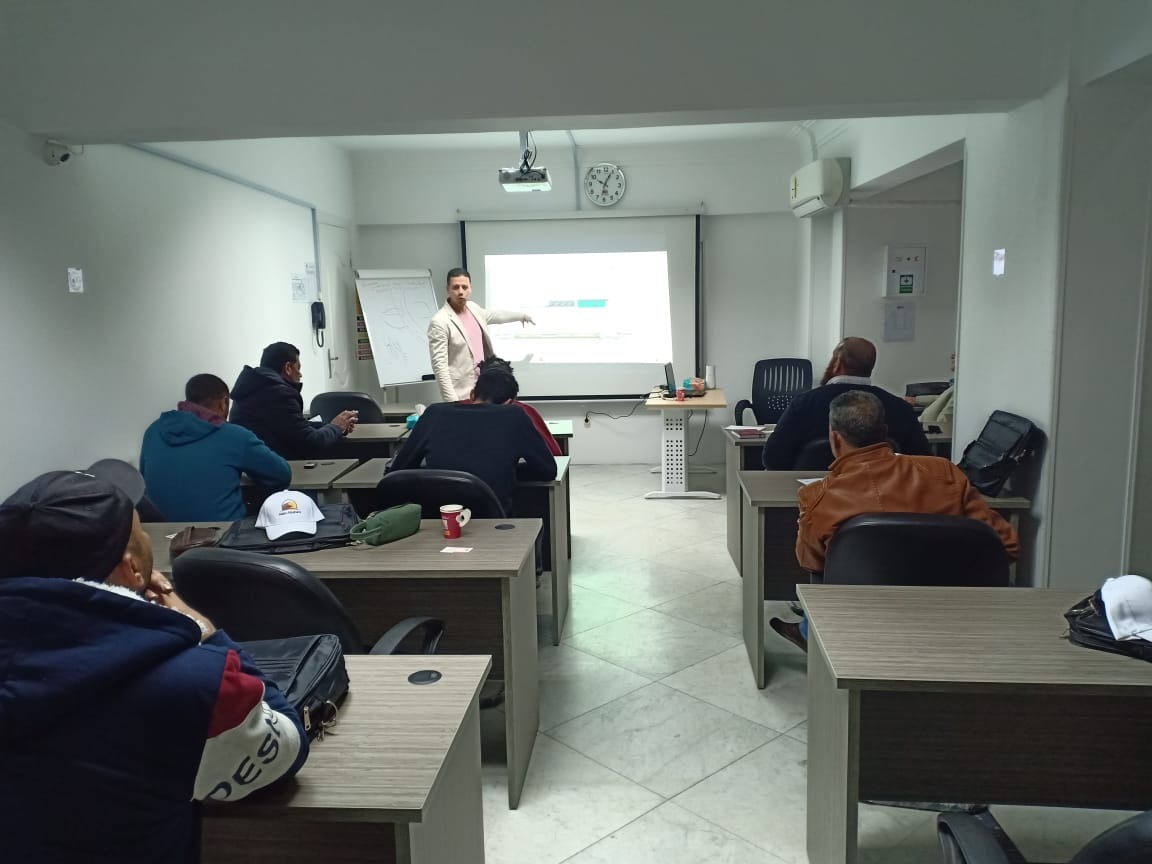
The Role of AI Technology in Making Online Learning More Effective
Online learning has changed significantly over the past decade. Students no longer need to depend entirely on physical classrooms, printed textbooks, or fixed schedules to access educational content. With an internet connection and a suitable device, learners can study from almost anywhere. However, online education also comes with challenges, including maintaining engagement, understanding difficult subjects, receiving personalized support, and managing large amounts of educational content.
Artificial intelligence (AI) is becoming an important technology in addressing some of these challenges. AI can help online learning platforms analyze information, automate repetitive tasks, personalize educational experiences, and provide learners with faster access to useful resources. Rather than replacing teachers, AI can support educators and students by making parts of the learning process more flexible and efficient.
Personalized Learning Experiences
One of the most important contributions of AI to online education is personalization. Traditional educational systems often provide the same material to an entire group of students, even though learners have different abilities, interests, and learning speeds.
AI-powered systems can analyze how students interact with educational content. For example, a platform may examine which lessons a student completes quickly, where they spend more time, and which questions they answer incorrectly. This information can help the system recommend additional exercises or learning materials.
A student who understands a particular topic quickly may be able to move forward, while another student can receive additional explanations and practice. This creates a more flexible learning experience without requiring every learner to follow exactly the same path.
AI-Powered Educational Assistance
Students frequently have questions while studying online. In a traditional classroom, they may need to wait until the next lesson to ask their teacher. AI-powered educational assistants can provide support much more quickly.
AI assistants can help explain concepts, summarize information, generate examples, and guide learners through certain problems. This can be particularly useful when students are studying independently.
However, AI-generated explanations should still be reviewed carefully. AI can sometimes provide incomplete or inaccurate information, so students should use reliable educational sources and teacher guidance when dealing with important or complex subjects.
Making Educational Content More Interactive
Technology can also make learning more interactive. Instead of simply reading long passages of text, students can engage with quizzes, simulations, visual explanations, interactive exercises, and multimedia lessons.
AI can contribute to this experience by helping educational platforms adapt content based on learner activity. For example, a system might recommend a video after detecting that a student is struggling with a particular concept.
Visual content can also help explain complicated ideas. Modern AI-powered creative tools are making it easier to produce and modify educational visuals. For example, tools such as the Nano Banana 2.5 GemPix tool can be incorporated into broader digital content workflows when educators or creators need to prepare visual material for online lessons.
The goal is not simply to add technology to education, but to use technology where it can make information easier to understand.
Automated Feedback and Assessment
Feedback is an essential part of learning. Students need to know what they understand and where they need improvement.
AI can assist with certain forms of automated assessment. Online platforms can evaluate answers, identify common mistakes, and provide immediate feedback for selected types of exercises.
For example, language-learning platforms can use AI to provide feedback on written responses, while educational systems can automatically check answers to structured questions.
Immediate feedback can help students identify mistakes while the lesson is still fresh in their minds. Teachers can then spend more time on areas that require human judgment, discussion, and individual guidance.
Helping Teachers Save Time
AI is not only useful for students. Educators can also benefit from AI-assisted technology.
Teachers often spend significant amounts of time preparing lesson materials, organizing assignments, reviewing responses, and handling repetitive administrative work. AI tools can assist with some of these tasks.
For example, AI can help generate ideas for lesson plans, organize educational material, create practice questions, or summarize student performance data. The teacher can then review and modify the material before using it.
This approach allows educators to use AI as an assistant rather than relying on it to make important educational decisions independently.
Improving Accessibility
Another potential benefit of AI technology is improved accessibility. Online education already allows people in different locations to access courses and educational resources. AI can add additional support for learners with different needs.
Automatic transcription and captioning can make video lessons easier to follow for students who prefer reading along with spoken content. Translation technologies can also help learners access information in different languages.
AI-powered text and speech technologies may further support learners who have difficulty interacting with traditional educational materials.
These technologies can help create more flexible learning environments where students have multiple ways to access the same information.
Supporting Different Learning Speeds
Students do not learn at exactly the same pace. Some may understand a concept after one explanation, while others may need several examples before the idea becomes clear.
Online learning combined with AI can make it easier for students to control their learning speed. Learners can revisit difficult lessons, receive additional exercises, or explore alternative explanations.
This flexibility can reduce the pressure of keeping pace with an entire classroom. At the same time, students who are ready for more advanced material can explore additional resources rather than waiting for the rest of the group.
The Importance of Human Teachers
Despite the growing role of AI, teachers remain an important part of education. Learning is not simply about receiving information. Students also need encouragement, communication, critical thinking, collaboration, and guidance.
A teacher can understand classroom dynamics and provide emotional and social support in ways that automated systems cannot fully reproduce.
For this reason, the most useful approach is often a combination of AI technology and human instruction. AI can handle certain repetitive or data-driven tasks, while teachers focus on mentoring, explaining complex ideas, encouraging students, and evaluating learning in context.
Challenges of AI in Online Education
Although AI offers many opportunities, it also introduces challenges. One major concern is accuracy. AI systems can sometimes produce incorrect information, which means students and educators should verify important content.
Privacy is another consideration. Educational platforms may collect information about student activity, performance, and learning behavior. Organizations using AI systems need to consider how this information is stored and protected.
There is also a risk of overdependence. If students use AI to complete every assignment without understanding the material, technology can reduce rather than improve learning. Students should use AI as a learning aid instead of allowing it to replace their own thinking.
The Future of AI in Education
AI technology is likely to become increasingly integrated into online education. Future learning platforms may become more adaptive, providing students with personalized study paths based on their progress and goals.
Educational content may also become more interactive and multimedia-focused. AI could help teachers create different versions of lessons for different learning levels, while automated systems may provide more detailed feedback.
However, successful implementation will depend on how these technologies are used. AI should support educational goals rather than become the goal itself.
Conclusion
AI technology is changing the way online learning can be delivered and experienced. From personalized learning and automated feedback to accessibility tools and interactive educational content, AI can help make digital education more flexible and efficient.
The most effective use of AI is not about replacing teachers or removing human involvement. Instead, it is about combining technological capabilities with human expertise. When students use AI responsibly and educators remain actively involved, online learning can become more personalized, accessible, and engaging.
As AI continues to develop, its role in education will likely expand. The challenge will be to use these capabilities thoughtfully, ensuring that technology supports genuine learning while keeping human guidance and critical thinking at the center of education.